
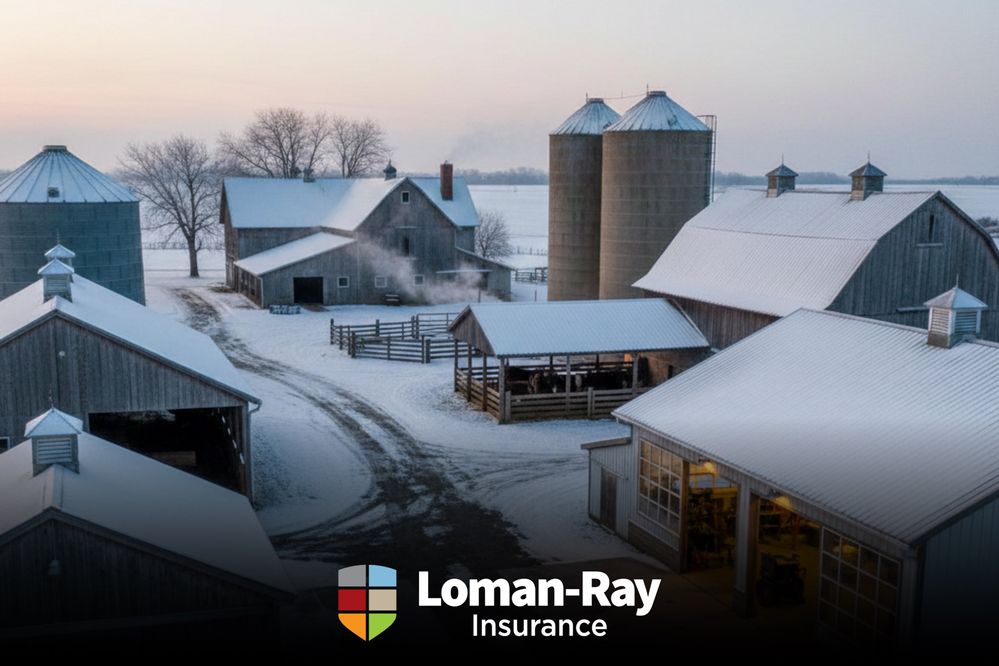
Illinois winters are unpredictable. Heavy snow, freezing rain, sudden warm-ups, and long stretches of moisture place enormous stress on the buildings and structures that keep a farm running. While machinery slows down this time of year, your farm’s physical infrastructure faces some of its toughest conditions.
Preparing key structures before winter weather intensifies can prevent damage, reduce downtime, and keep your farm operating safely all season. Below are practical steps farmers can take to strengthen their property against winter hazards.
1. Prepare Machine Sheds and Work Buildings for Snow and Ice
Machine sheds and workshops protect some of the most valuable assets on the farm. Winter weather can expose weaknesses that often go unnoticed during warmer seasons.
Reinforce Roofs and Load-Bearing Points
Snow accumulation, especially wet, heavy snow can strain older roofs and trusses. Look for:
-
Bowing or sagging rafters
-
Rust around fasteners
-
Soft spots or weakened panels
-
Areas where drifting snow builds up
Repairing small issues now can prevent larger, more expensive structural problems later.
Improve Weatherproofing
Cold wind finds every gap. Sealing drafts reduces moisture entry and protects equipment inside the building.
-
Replace worn door seals
-
Secure loose wall panels
-
Add insulating foam in problem areas
-
Check gutters and drainage to reduce ice formation
Moisture is the biggest threat to tools, electrical systems, and metal components.
2. Winterproof Livestock Buildings and Feeding Areas
Livestock structures have unique winter challenges. Temperature swings can cause condensation, ice buildup, and unsafe conditions for both animals and workers.
Optimize Ventilation
Proper airflow reduces humidity without creating cold drafts. Review:
-
Fan cleanliness and function
-
Curtain systems on barns or shelters
-
Vents and air inlets blocked by dust
-
Condensation forming on rafters or ceilings
A minor adjustment to ventilation can significantly improve winter safety for livestock.
Protect Feed and Bedding Storage
Snow and moisture can quickly ruin material stored too close to exposed walls or open areas. Tightening covers and sealing high-traffic access points helps prevent spoilage and waste.
3. Inspect Grain Bins and Commodity Storage
Grain bins and commodity sheds endure harsh winter conditions that can lead to structural issues if not monitored.
Keep Access Points Clear
Snow and ice can block ladders, doors, and aeration fans, making the area unsafe to access. Clearing these areas early prevents compaction and ice buildup later.
Monitor Ventilation and Fan Systems
Ice-covered vents restrict airflow, increasing moisture inside the bin. Ensuring vents and fans stay clear helps protect grain condition and reduces strain on bin walls.
4. Protect Water Lines, Electrical Systems, and Utilities
Utility systems are especially vulnerable during prolonged cold weather.
Guard Water Sources
Frozen lines can cause significant damage and disrupt feeding or cleaning routines. Farmers can prevent this by:
-
Insulating exposed pipes
-
Using heated lines or troughs
-
Securing hydrants from wind exposure
-
Checking for leaks that may freeze and expand
Inspect Electrical Panels and Wiring
Workshops, livestock areas, and older barns often contain wiring that has been exposed to years of dust and humidity. Winter is a good time to:
-
Clean breaker boxes and electrical enclosures
-
Add weather protection to outdoor panels
-
Ensure lighting is adequate in high-traffic zones
Cold temperatures and moisture amplify electrical risks.
5. Improve Security Around Equipment Storage Areas
Winter months bring longer nights, holiday travel, and less daily activity around the farm, increasing opportunities for theft.
Simple steps can reduce risk:
-
Install motion lights or dusk-to-dawn lighting
-
Use cameras in high-value storage areas
-
Lock machine sheds and shops each night
-
Keep high-value tools and tech in secure cabinets
A more secure farm setup going into winter helps prevent losses during the slow season.
6. Maintain Safe Walkways and Access Points
Ice and compacted snow create hazards for family members, workers, and delivery drivers. Keeping access points safe reduces the chance of slips and injuries.
Consider:
-
Salting high-traffic areas early
-
Adding traction mats at doorways
-
Clearing snow before it compacts
-
Improving lighting around commonly used paths
Farms with livestock should pay special attention to loading zones and feed areas where water and ice often mix.
Winter Protection Supports a Strong Start to Spring
Strengthening buildings, livestock areas, utilities, and storage sheds during winter helps safeguard your farm’s most important structures. These preventative steps don’t just protect your property, they set your operation up for a smoother, safer spring season when work begins to ramp back up.
How Loman-Ray Supports Local Farm Operations
Farm structures, livestock areas, grain systems, and machine sheds face unique winter challenges in Central Illinois. At Loman-Ray Insurance Group, we understand how weather impacts agricultural property and work closely with farmers to help them reduce risks year-round. If you’d like guidance on protecting your buildings or reviewing how winter weather affects your operation, our team is always here to help.