
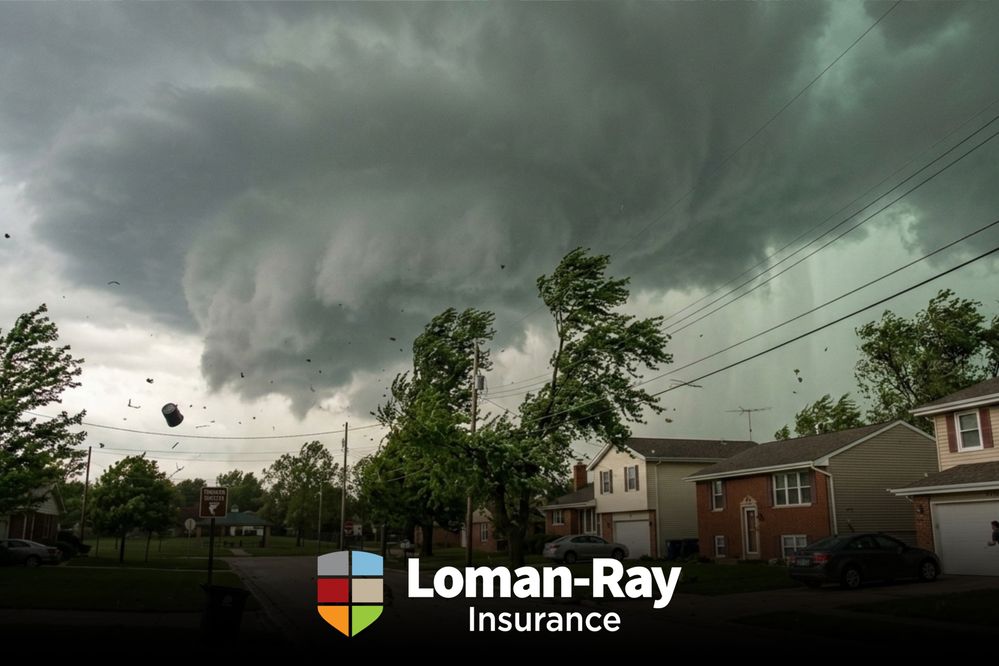
Every spring, Illinois residents keep a close eye on the weather. As temperatures rise and storm systems begin to form across the Midwest, tornado season quickly becomes part of everyday conversation.
While tornadoes are unpredictable, their impact can be devastating. High winds can tear roofs from homes, shatter windows, level garages, and scatter debris across entire neighborhoods in minutes.
For homeowners, one of the most important questions to ask before storm season arrives is simple:
Is your home properly protected if a tornado strikes?
Understanding how tornado coverage works within homeowners insurance can help ensure that if severe weather hits, you’re financially protected and able to recover quickly.
Why Illinois Sees So Many Tornadoes
Illinois sits in the heart of the Midwest, where warm, moist air from the Gulf of Mexico often collides with cooler air masses moving across the plains. These conditions create the perfect environment for severe thunderstorms, and occasionally tornadoes.
While states like Oklahoma and Kansas often receive the most attention when it comes to tornadoes, Illinois actually ranks among the states that experience tornado activity every year.
Tornado season in Illinois typically runs from March through June, although storms can occur outside of that window.
During these months, strong storm systems can develop quickly, bringing damaging winds, hail, heavy rain, and sometimes tornadoes capable of causing widespread destruction.
Because severe weather is a regular part of life in the Midwest, homeowners should understand how their insurance policies respond when storms strike.
What Tornado Damage Can Look Like
Tornado damage varies widely depending on the strength of the storm and the structures in its path.
In some cases, homes may experience relatively moderate damage such as missing shingles, broken windows, or damage to siding and gutters.
In more severe cases, tornadoes can cause structural damage to roofs, walls, garages, and outbuildings. Flying debris often becomes one of the most dangerous elements of a tornado, capable of puncturing roofs, shattering glass, and damaging vehicles or nearby structures.
Homes may also suffer damage from fallen trees, collapsed power lines, or heavy rain entering through storm-damaged roofs.
Even when a tornado does not directly strike a home, the powerful winds surrounding severe storms can still cause significant property damage.
Does Homeowners Insurance Cover Tornado Damage?
In many cases, yes tornado damage is typically covered under a standard homeowners insurance policy.
Homeowners insurance generally includes coverage for windstorms, which means damage caused by tornadoes, strong straight-line winds, or other severe weather events is often covered.
This coverage may help pay for repairs to your home’s structure, including damage to the roof, walls, windows, and attached structures like garages or decks.
It may also help cover personal belongings damaged by the storm, such as furniture, electronics, clothing, or appliances.
Additionally, if a tornado causes severe damage that makes your home temporarily unlivable, homeowners insurance may provide additional living expenses coverage, which can help pay for temporary housing, meals, and other necessary costs while repairs are being completed.
However, every policy is different, and there are important details homeowners should understand.
Understanding Deductibles and Policy Limits
While tornado damage is often covered under homeowners insurance, the amount you receive for repairs depends on your policy’s deductible and coverage limits.
Your deductible is the amount you pay out of pocket before insurance coverage begins. Some policies include special deductibles for wind or hail damage, particularly in areas prone to severe storms.
Coverage limits also matter. These limits determine how much your policy will pay to repair or rebuild your home and replace damaged belongings.
If coverage limits are too low, homeowners may find themselves responsible for a portion of rebuilding costs after a major storm.
That’s why reviewing coverage levels before storm season is so important.
What May Not Be Covered
While tornado damage itself is typically covered under homeowners insurance, certain related events may fall under different policies.
For example, flooding caused by rising water from rivers or overflowing storm drainage systems is not usually covered under standard homeowners insurance. Flood damage typically requires a separate flood insurance policy.
Additionally, damage caused by poor maintenance or pre-existing structural issues may not be covered.
Understanding these distinctions helps homeowners avoid surprises during the claims process.
Preparing Your Home for Tornado Season
While insurance protection is critical, there are also practical steps homeowners can take to reduce the risk of damage during severe storms.
Regular roof inspections can help identify loose shingles or structural weaknesses that could become worse during high winds. Keeping trees trimmed and removing dead branches can also reduce the risk of falling debris during storms.
Securing outdoor furniture, grills, and other items around your yard can help prevent them from becoming airborne during severe weather.
Many homeowners also prepare an emergency plan that includes a designated shelter area within the home, such as a basement or interior room away from windows.
These steps can help protect both your home and your family during storm season.
Why Reviewing Your Policy Before Storm Season Matters
One of the biggest mistakes homeowners make is waiting until after a storm to review their insurance coverage.
Unfortunately, by that time, it may be too late to make adjustments.
Spring is the ideal time to review your homeowners insurance policy and make sure your coverage aligns with your home’s current value and potential risks.
This review can help answer important questions like:
-
Is your dwelling coverage high enough to rebuild your home today?
-
Do you have the right deductible for storm-related damage?
-
Are your personal belongings adequately covered?
-
Do you have protection for additional living expenses if your home becomes unlivable?
Taking a proactive approach can provide peace of mind when severe weather appears in the forecast.
Helping Central Illinois Homeowners Stay Protected
At Loman-Ray Insurance Group, we understand the unique weather risks that homeowners across Central Illinois face every year.
Our team works closely with homeowners to review policies, explain coverage details, and help ensure families are properly protected before storm season arrives.
Whether you’ve owned your home for decades or recently purchased a new property, taking time to review your insurance coverage can make a major difference if severe weather strikes.
If you’d like help reviewing your homeowners insurance policy or learning more about tornado and storm coverage, our team would be happy to assist.
Reach out to Loman-Ray today to explore your best coverage options and ensure your home is prepared for storm season.